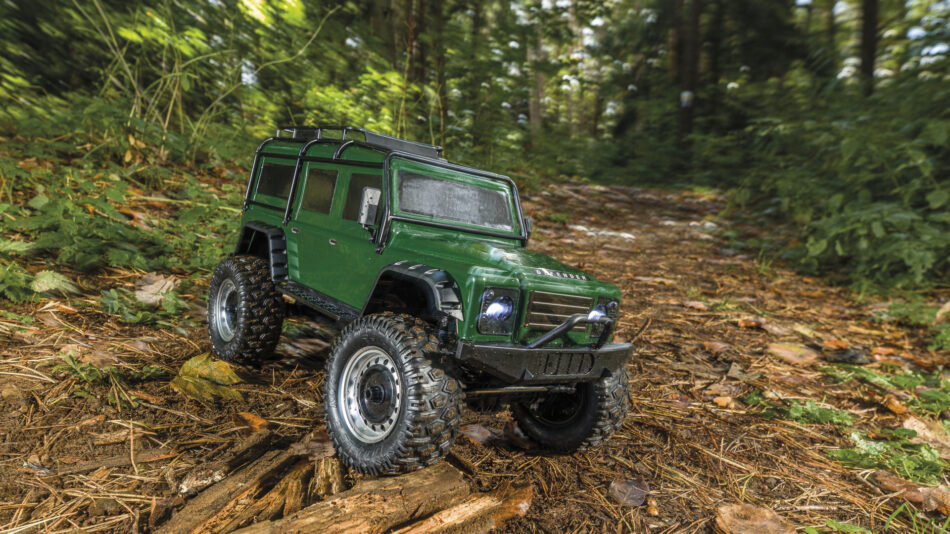
This question/answer format is designed for beginners and will attempt to answer questions, correct misconceptions, and generally ease entry into the rapidly growing hobby/sport of R/C cars. We welcome your questions, as answers to representative questions will help other beginners.
Q: I don’t like to race at a local track. Can I set up my own race course?
A: There’s no law that says you can’t! Do you have a vacant lot near you? Clean it up (with the owner’s permission) and lay out a course you like. Take your friends along for the job. Later, they can join you for informal races. That’s a great start, then let your imagination take over.
Q: What can I do to my car to make it different?
A: How about a fancy paint job? Buy an extra body and decorate it as if it were one of those custom full-size vans. Use plenty of metal-flake paint, because it really stands out when shining in the sun!
Q: Anything else to jazz up my car?
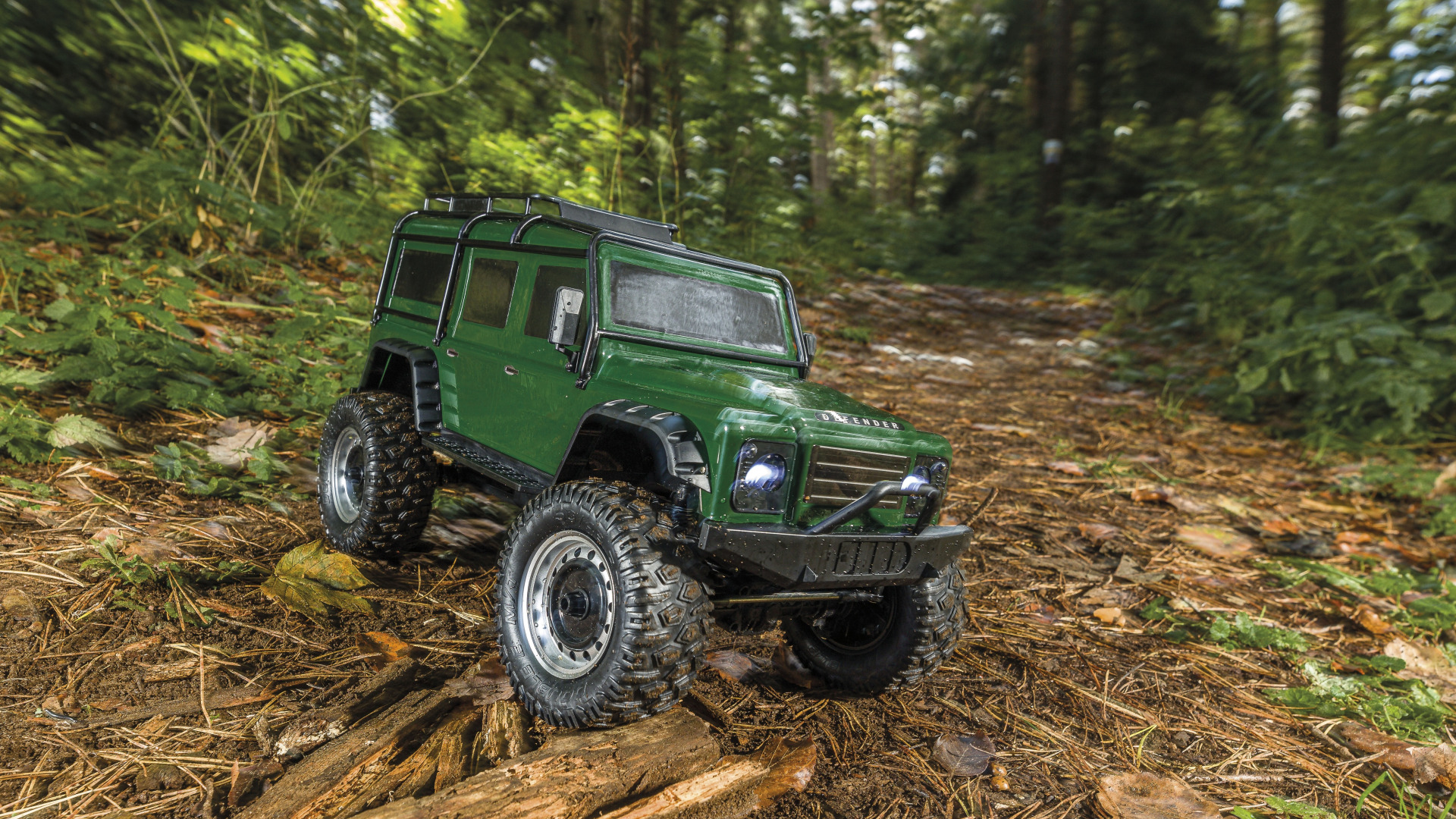
A: How about working headlamps? Using miniature lamps from model railroading supplies, you can make your buggy or street car light up! Did you think of adding working brake lamps or turn signals? There are blinking circuit kits you can buy at electronic stores or hobby suppliers.
Q: I have a buggy and a “car crusher” truck. How can I use them together?
A: One of the more popular ways is to make a car trailer, you’ll end up with your truck pulling your buggy racer on a trailer to the next race! Or how about using your buggy to pull a boat trailer with your favorite R/C boat mounted up? Got more ideas? Send them in!
Q: Nobody makes the car body I’m looking for. How can I get somebody to make one?
A: Some types of industries regularly use vacuum-forming machines to make prototypes of a product they wish to mold. Also, some airplane modelers use such small machines to make their own parts for airplanes. If you find someone with such a machine, the next step is relatively easy. Get a plastic model kit and size it up to fit the chassis you have. The machine operator will use the outline as a male mold to shoot the polycarbonate body for you.
Q: How can I build my own chassis?
A: I’d suggest using fiberglass as a basic material for any prototype chassis. It’s easier to cut and readily available. a more so than sheet aluminum, and more affordable too. After cutting it to shape, use manufactured car parts where possible to make the chore of suspension assembly a lot easier.
Q: Could I tum my car hobby into a money-making enterprise?
A: lt’s been done before; and if you make a good product or offer a good service, the modeling fraternity will welcome you. Better yet, why not help others? Maybe you can help sponsor or participate in an R/C car race or exhibition to aid a worthwhile charity?
Q: Are there different types of events I can enter my car in?
A: There sure are. One example is the mud-bog race for monster trucks. How about a hill climb? It’s a real challenge for man and machine! How about drag racing? Any kind of car will do if you don’t want to build • something special. Don’t forget endurance racing. It will test your stamina, pit crew, and the durability of your machine. Almost anything full-size cars can do, our R/C cars can do too!
Q: Are R/C cars suitable for a seven-year-old?
A: A lot depends on the abilities and maturity of the child. Is this child mechanically inclined and adept? Does the child act responsibly and take care of his or her belongings? R/Cing has the potential to be a serious hobby with which any child or adult can grow. If the child in question also is coordinated, and the answer to all the previous questions is yes, then proceed cautiously with an R/C car purchase. A seven-year-old might do better with one of the more inexpensive entry-level cars put out by Shinsie, Ertle, and Radio Shack.
Q: I built my R/C car, but I can’t make it run right Where do I go for help?
A: Try the hobby dealer from whom you bought the car. Some shops not only offer over-the-counter help, but may actually run a repair service. A local modeler or a club can be of assistance. Call the car manufacturer or distributor. They can often “talk you through’’ a repair and might offer some sort of repair service as well.
Keep in mind two things: don’t ask a car manufacturer to assist you too much when you have a problem with the R/C system itself and not with the car, and expect to pay for these services if they find misassembly or misuse the source of your problem.
Q: Are electronic speed controls in my electric car a good idea?
A: I’d say yes if you’re having a lot of problems with a mechanically operated speed control. An electronic speed control eliminates the throttle servo and the receiver battery in most cases, so your car will have less onboard weight. When buying a speed control, get one that is compatible with your R/C system. If you’re into racing, a control with forward-only/braking is ideal, while one with forward/reverse is best for all-around fun.